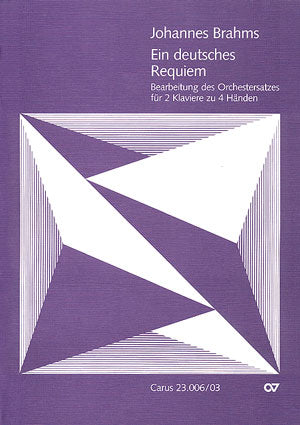
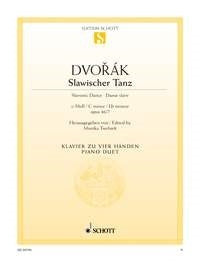
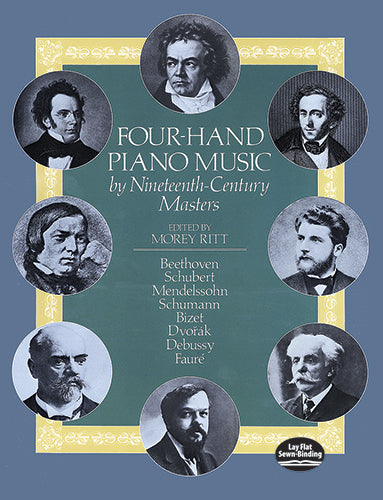
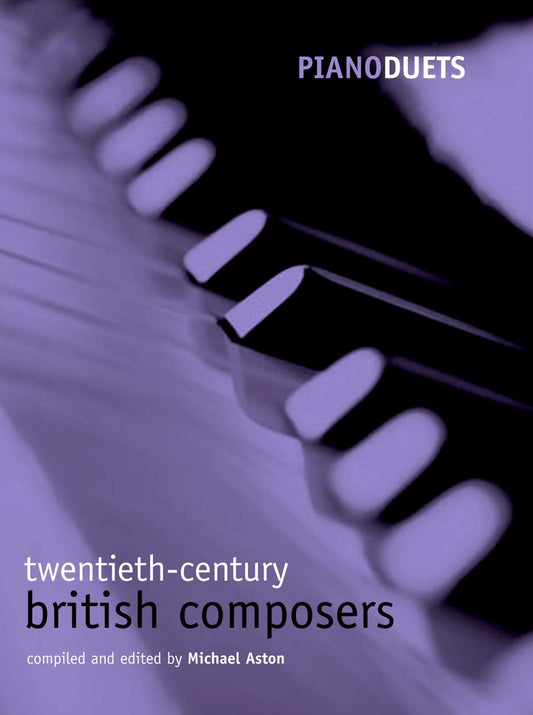
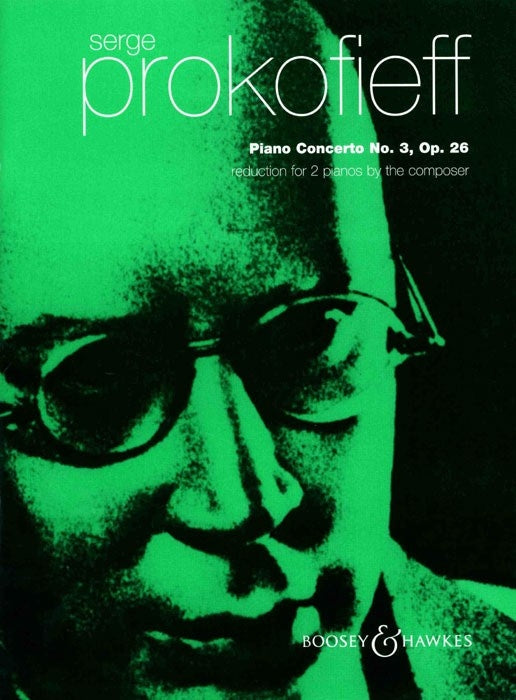
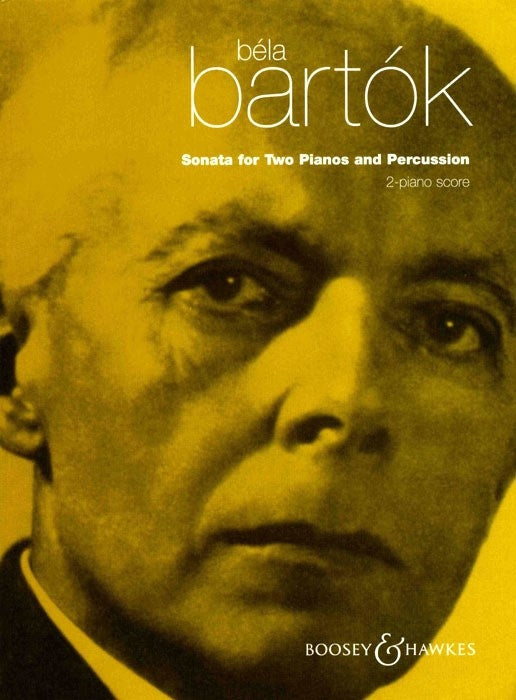
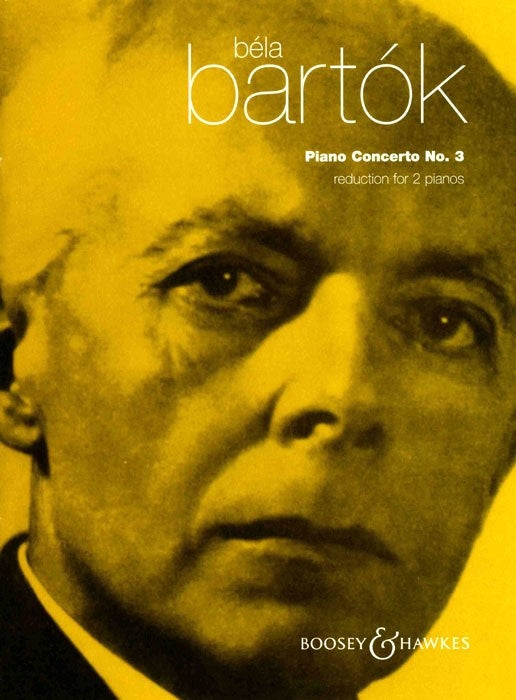
Collection:
Piano duet sheet music refers to music written for two pianists, typically playing on two pianos or one piano, depending on the arrangement. The term "piano duet" can also refer to performances where two people share the same piano, one playing the upper (right-hand) part and the other playing the lower (left-hand) part. The collaboration between two pianists creates a dynamic and rich texture, with each player contributing to the overall performance.
Description:
Piano duet music is generally composed with two distinct parts: one for each pianist. These parts are often written on separate staves, but sometimes, especially in simpler arrangements, the music may be condensed into one part. The music may be composed for two hands on a single piano, or each pianist may have a full keyboard on separate pianos. In this latter case, the parts are written with consideration for the spatial arrangement of two pianos, sometimes with different registers or ranges for each player.
The complexity of the music can vary widely, from simple two-hand arrangements of popular tunes or classical works to intricate, virtuosic compositions requiring exceptional technical skill from both performers. Piano duet music may include a wide range of musical genres, from classical to contemporary works, and the arrangements might showcase both players equally or designate one as the "soloist" with the other providing accompaniment.
History:
Early Beginnings (18th–19th Century):
- The origins of piano duet music date back to the late 18th and early 19th centuries, when the fortepiano (the precursor to the modern piano) became more popular in households and salons. The piano was often seen as a social instrument, and playing in duets became a fashionable pastime.
- Early piano duets were often simplified arrangements of popular orchestral or operatic works, making the music accessible to amateur musicians. These arrangements allowed two pianists to share the experience of playing complex works without needing an orchestra or other accompanying instruments.
- In the Classical era, composers like Mozart and Beethoven wrote some pieces with duet arrangements, though most of their works were intended for solo piano or other ensembles. For instance, Beethoven's "Piano Duet in E-flat major, Op. 27" was composed for two pianists, though duets were not yet a predominant genre in his time.
Romantic Period (19th Century):
- The Romantic era saw the rise of the piano duet as a popular genre, largely driven by the increasing accessibility of the piano and the popularity of amateur music-making in the home. Sheet music for piano duets was often published in collections and sold to middle-class families as a form of entertainment.
- Prominent composers like Felix Mendelssohn, Robert Schumann, Franz Schubert, and Johannes Brahms wrote some of their most beloved works as piano duets. Schubert’s "Fantasy in F minor, D. 940" is a notable example of a profound and intricate piano duet.
- This period also saw the rise of piano duet arrangements of orchestral works, as two pianists could simulate the full sound of an orchestra on the piano. These arrangements allowed pianists to experience the grandeur of orchestral pieces without requiring an entire orchestra, making it a popular activity for amateur musicians.
Late 19th to Early 20th Century:
- As the Romantic period gave way to the 20th century, piano duets became more formalized and intricate, with composers pushing the boundaries of the genre.
- Notable composers like Claude Debussy, Sergei Rachmaninoff, and Dmitri Shostakovich produced significant works for piano duet, often using the format to explore contrasting textures and harmonies that were more characteristic of modern music.
- In some cases, the two pianists might play more complex roles: one taking the lead while the other provided more background or contrapuntal accompaniment.
20th and 21st Centuries:
- The 20th century saw piano duets being used to explore more experimental and avant-garde music. Some composers, like Igor Stravinsky and Paul Hindemith, wrote challenging and innovative works for piano duets, making use of unconventional rhythms, dissonances, and intricate two-piano textures.
- During this time, the piano duet continued to evolve as a performance practice. Composers began to experiment with adding a more theatrical or "collaborative" element to the performance, sometimes including parts that required communication or visual interaction between the two pianists.
- The role of the piano duet in the 20th century was also influenced by jazz and popular music, with arrangements of jazz standards or popular songs written for two pianists. This allowed pianists to express their creativity while keeping a connection to classical traditions.
Modern Piano Duet Music:
- In contemporary music, piano duets continue to thrive both in classical and popular spheres. The genre remains a favorite in educational settings, allowing students to develop collaborative skills while enjoying the interactive nature of ensemble playing.
- Contemporary composers like John Adams, David Lang, and Nikolai Kapustin have written pieces for piano duet, some drawing on minimalist, jazz, or pop influences, offering a new dimension to the piano duet repertoire.
- Additionally, many arrangements of popular music, including film scores and video game music, are now available as piano duet sheet music, making the genre accessible to a broader audience and appealing to pianists of all skill levels.
Conclusion:
Piano duet sheet music has a long and rich history, evolving from simple arrangements in domestic settings to complex and virtuosic concert works. It allows for both social music-making and artistic collaboration, bringing together the talents of two pianists to create a fuller, more dynamic sound. As the genre continues to evolve, it remains a vital part of the piano repertoire, offering new opportunities for musical exploration and expression.