Collection:
Violin strings are the vibrating elements of the instrument that produce sound when bowed or plucked. A violin typically has four strings, tuned in perfect fifths: G, D, A and E (from lowest to highest pitch).
Historical Development:
-
Gut Strings (Medieval to 19th Century):
Originally, all violin strings were made from sheep gut, either plain or twisted, and sometimes wound with metal to improve durability and tone. Gut strings are known for their warm, rich tone but are sensitive to humidity and temperature.
-
Wound Gut Strings (17th–19th Century):
To improve projection and tuning stability, especially on the lower strings, gut strings began to be wound with silver or copper.
-
Steel Strings (19th Century – Present):
Introduced in the late 1800s, steel-core strings offer greater stability, a brighter tone, and longer life. These became popular with orchestras and students due to their durability and ease of tuning.
-
Synthetic-Core Strings (20th Century – Present):
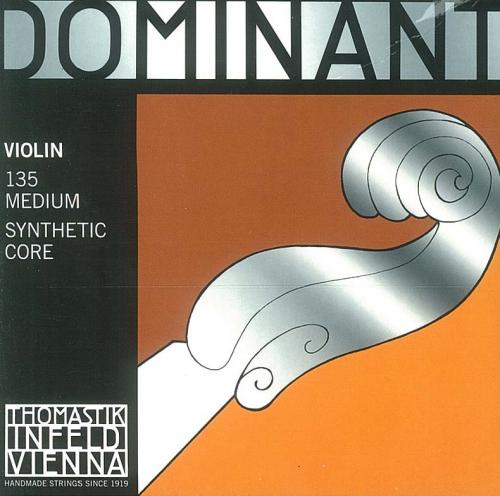
Developed to combine the tonal warmth of gut with the stability of steel, synthetic-core strings (e.g., nylon or composite materials) are widely used today, especially by advanced and professional players.
Modern strings often use metal windings like aluminum, silver, chrome, or tungsten to further shape sound and playability.